Commercial Moves in Marylebone
Tailored Commercial Moving Support for Marylebone Businesses

Commercial moves in Marylebone require more than a van and a few boxes. In this part of central London, businesses often operate from period office buildings, managed workspaces, retail premises, clinics, studios, and mixed-use properties where access can be tight and timing matters. Whether you are relocating a small office near Baker Street, moving a consultancy close to Marylebone High Street, or shifting a larger workspace near the edges of Fitzrovia, a careful plan can make the difference between a smooth transition and a stressful shutdown.
Local customers usually want a moving service that understands the realities of the area: narrow streets, busy loading bays, controlled parking zones, lift restrictions, shared entrances, and the need to keep disruption low for staff and customers. That is why many businesses look for commercial removals in Marylebone from a team that works with office managers, landlords, facilities teams, and independent business owners every step of the way.
Commercial moves are not one-size-fits-all. A professional move in Marylebone may involve carefully dismantling desks, protecting IT equipment, moving confidential files, handling stock, relocating display units, or coordinating a phased move outside trading hours. The right approach keeps your business operating as efficiently as possible while the relocation takes place.
What Commercial Moves in Marylebone Typically Include

Every business move has different requirements, but most commercial relocations benefit from a structured service that covers planning, packing, loading, transport, and setup. If you are arranging Marylebone commercial moving services, it helps to know what may be included so you can choose the right level of support.
Typical services can include:
- Pre-move planning and move coordination
- Packing of office equipment, files, and general contents
- Disassembly and reassembly of desks, shelving, and workstations
- Safe handling of IT and office technology
- Labelling systems for departments, rooms, or teams
- Secure transport between sites
- Unloading and placement at the destination
- Furniture arrangement to match the new layout
- End-of-move checks to help ensure nothing is missed
Some moves also require additional care for specialist items such as archive boxes, printers, monitors, POS systems, medical equipment, retail display units, or fragile branded materials. For customer-facing businesses, keeping items protected and organised is especially important because a delayed or disordered reopening can affect trading and staff productivity.
Why Marylebone Businesses Need a Local Commercial Moving Team

Choosing a local team for commercial moves in Marylebone offers practical advantages. This area combines elegant residential streets, busy retail corridors, professional offices, and nearby transport hubs, which means the moving day often has to work around limited parking, pedestrian traffic, and building access rules. A team familiar with the neighbourhood is better placed to plan around these realities.
For example, many Marylebone properties sit in buildings with shared entrances or older layouts, which can make lifting furniture and moving equipment more complicated. Some offices are on upper floors with small lifts or stair access only. Retail units may need loading at specific times to avoid disrupting customers, while clinics and practices may need extra discretion and quiet handling. A local moving company understands that efficiency, timing, and care are just as important as physical strength.
Local knowledge also helps when working near Marylebone Station, Baker Street, Great Portland Street, Regent’s Park, and the surrounding streets. These areas can present access restrictions, delivery windows, and congestion challenges that are easier to manage with experienced planning. If you need a commercial relocation in Marylebone that feels organised rather than rushed, local expertise is a major advantage.
Types of Commercial Customers We Help in Marylebone

Commercial moving needs vary widely across Marylebone. The area is home to a mix of established businesses, independent operators, and professional services, so the moving approach must reflect the type of organisation and the way it works day to day. A good Marylebone business move service should adapt to the size, pace, and priorities of the customer.
Common commercial customers include:
- Offices and consultancies moving within Marylebone or to another central London location
- Retail shops and boutiques relocating stock, fixtures, and front-of-house items
- Medical and wellbeing practices needing careful handling of sensitive equipment and records
- Hospitality venues moving furniture, serving equipment, and supplies
- Creative studios with monitors, artwork, samples, and specialist tools
- Managed workspaces requiring floor-by-floor or phased moves
- Start-ups and small companies seeking a straightforward, low-disruption transition
In a district like Marylebone, many businesses occupy high-value spaces where presentation matters. A tidy, efficient move helps protect your reputation with clients, staff, and landlords. It also makes it easier to settle into the new premises quickly and resume normal operations with minimal downtime.
How a Commercial Move Is Usually Planned
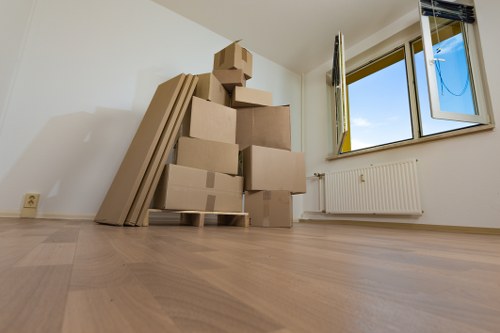
Planning is often the most important part of a successful commercial move. Before moving day, a structured process helps reduce stress and prevents common issues such as missing equipment, delays at loading points, or confusion about where items should go in the new space. When businesses ask for commercial removals in Marylebone, they usually want clarity on what happens before, during, and after the move.
A typical process may look like this:
- Initial discussion: identifying the size of the move, the type of property, and any special requirements
- Site assessment: checking access, stairways, lifts, parking, and possible restrictions
- Move plan: deciding the timing, packing method, and sequence of items
- Preparation: labelling, packing, dismantling furniture, and protecting fragile items
- Moving day: loading, transport, and delivery to the destination
- Setup: placing furniture and equipment according to the agreed layout
- Final review: confirming that the key items have arrived safely and the workspace is usable
Good planning matters even more in Marylebone because local access conditions can change quickly. Deliveries may need to fit into specific time windows, and building managers may have their own rules about use of lifts, communal areas, or entrance points. The more carefully the move is prepared, the easier it becomes to keep everything on track.
Why Commercial Moves in Marylebone Need Extra Care
Marylebone is a particularly busy and varied business district. Some streets are lined with period townhouses now used as offices, while others contain newer mixed-use developments, medical suites, galleries, restaurants, and retail premises. This means every move must be handled with attention to the building type, the working environment, and the surrounding streets. A generic moving approach often falls short here.
One challenge is parking and loading. In central London, space is often limited, and commercial vehicles may need to work around restrictions or peak traffic times. Another issue is access: many properties have narrow hallways, shared lobbies, steps at the entrance, or lift size limitations. These practical details can affect the order of the move, the equipment needed, and how much time should be allowed.
Confidentiality and continuity are also important. Businesses may be moving client files, customer data, stock records, or sensitive equipment. A reliable commercial moving team should respect that priority and work in a way that helps you keep business disruption as low as possible. For many local customers, that is one of the main reasons to choose a specialist team that regularly handles Marylebone office moves and other business relocations nearby.
Key local challenges to plan for
When arranging a move in this part of London, it helps to think about:
- Restricted or limited parking near the premises
- Busy pedestrian areas and customer footfall
- Loading bay availability and access times
- Stairs, lifts, and building security checks
- Shared entrances in multi-tenant buildings
- Noise sensitivity for neighbours or other businesses
- Traffic delays affecting arrival and departure times
These issues are not obstacles when managed properly, but they do need to be built into the move plan. That is one of the biggest benefits of booking a team experienced in commercial moves in Marylebone rather than a general-purpose service with limited local understanding.
Benefits of Choosing a Commercial Moving Service Rather Than Doing It Yourself
Some businesses consider organising a move with internal staff and rented transport. While that may seem straightforward for a very small relocation, it can quickly become time-consuming and disruptive. Professional business removals in Marylebone are designed to reduce risk and keep your team focused on work rather than heavy lifting, transport coordination, and last-minute problem solving.
The main benefits often include:
- Reduced downtime: a planned move is usually faster and more organised
- Lower risk of damage: furniture and equipment are handled with the right methods and packing materials
- Better use of staff time: your team can continue with core responsibilities
- Safer lifting and handling: heavy or awkward items are moved professionally
- More efficient setup: items are placed where they are needed at the destination
- Less stress: a clear process helps everyone know what to expect
For businesses in Marylebone, this can be especially valuable because many premises are in busy, premium locations where lost time has a real impact. If your company needs to remain operational during the relocation, a structured moving service can help you work around that need.
Planning around opening hours
Many commercial customers want a move carried out early in the morning, after hours, or across a weekend to avoid affecting clients and staff. That kind of timing can be very effective, particularly for retail, hospitality, healthcare, and professional offices. The best approach depends on your building access, the amount of equipment involved, and how quickly you need the space ready again.
What to Prepare Before the Move
Preparation makes a commercial relocation much smoother. Even a well-organised moving team will rely on your internal planning to ensure that teams, labels, files, and equipment are easy to identify. If you are arranging Marylebone commercial moving services, start preparing early so the move day is less pressured.
Preparation checklist:
- Nominate one person to oversee move communication
- Confirm which items are moving and which will be disposed of, stored, or recycled
- Back up digital files and prepare IT equipment carefully
- Label desks, boxes, and department items clearly
- Let staff know the timetable and any access changes
- Check building rules for lifts, loading areas, and security procedures
- Make sure keys, access cards, and permissions are ready
- Clear walkways and remove unnecessary clutter before moving day
A little preparation often saves a lot of time. It also helps the moving crew place items correctly at the destination, which means staff can settle in sooner and begin working with less interruption.
Special preparation for offices
If you are moving an office, pay special attention to computers, monitors, printers, chargers, and confidential records. These items may need to be boxed separately or assigned to specific teams. Desks and chairs should be marked if they are to be reassembled in the same positions. For larger office moves, a floor plan can be extremely helpful.
Special preparation for retail spaces
Retail customers often need to protect product stock, shelving, mirrors, signage, and display furniture. If your business relies on a carefully arranged customer-facing area, document the old layout and the desired new layout before moving day. This makes reinstatement quicker and more accurate.
Pricing Factors for Commercial Moves in Marylebone
It is natural to want an idea of pricing before booking any move. While exact costs depend on the details of the job, it is helpful to understand the factors that usually shape a commercial move quote. This gives you a clearer sense of what to expect and helps you compare services fairly.
Common pricing factors include:
- Size of the move: number of rooms, workstations, or items
- Distance: whether the move is within Marylebone, elsewhere in central London, or further away
- Access conditions: stairs, lifts, long carries, or parking limitations
- Time required: the complexity and volume of the move
- Packaging needs: whether packing materials and labour are required
- Specialist handling: fragile, heavy, or sensitive equipment
- Timing requirements: out-of-hours or weekend moves may need extra coordination
Because every commercial relocation is different, a proper assessment is often the best way to receive a fair and accurate quote. If you need commercial moves in Marylebone handled efficiently, request a quote early so there is enough time to plan around your business schedule and building access requirements.
Why detailed quoting matters
A clear quote helps avoid confusion later. It should reflect the size of the job, the type of property, the scope of work, and any conditions that make the move more involved. For local customers, transparency is valuable because it supports better planning and fewer surprises on the day.
Areas Covered Around Marylebone
Marylebone is part of a wider central London commercial network, and many businesses move between nearby districts for better space, access, or lease terms. A local team can often help with relocations not only in Marylebone itself, but also in nearby areas where office and retail moves frequently take place.
Areas commonly covered include:
- Baker Street
- Edgware Road
- Regent’s Park
- Fitzrovia
- Mayfair
- Paddington
- Bloomsbury
- Soho
- St John’s Wood
- Oxford Circus and surrounding central London locations
Because so many businesses in these districts share similar access constraints and urban logistics, a team that regularly works across central London can bring useful practical experience to your move.
How to Choose the Right Commercial Moving Company
When selecting a provider for commercial moves in Marylebone, look for signs that the company understands both the area and the needs of local businesses. The cheapest option is not always the best if it fails to protect your equipment, your schedule, or your premises.
Things to look for include:
- Experience with office, retail, and specialist commercial relocations
- A clear process for planning and communication
- Practical knowledge of central London access issues
- Flexible scheduling to reduce business disruption
- Careful handling of furniture, IT, and confidential items
- Professional equipment for lifting, protection, and transport
- Willingness to discuss the specifics of your building and timings
Local relevance matters. A company that regularly works in Marylebone will usually be more prepared for parking limitations, building management rules, and busy traffic conditions. That can make your moving day noticeably easier.
Frequently Asked Questions About Commercial Moves in Marylebone
How far in advance should I book a commercial move?
It is best to book as early as possible, especially if you need a specific date, an out-of-hours move, or a relocation during a busy period. Early booking also gives you time to plan packing, staff communication, and access arrangements.
Can a commercial move be done outside working hours?
Yes, many businesses prefer evening, early morning, or weekend moves to reduce disruption. This is often especially useful for offices, practices, and customer-facing premises in Marylebone.
What if my building has limited parking or no direct loading space?
This is common in central London. A local moving team can plan around access limitations, nearby loading zones, and the likely carry distance from the vehicle to the premises. It is important to mention these details when requesting a quote.
Can desks and furniture be dismantled and reassembled?
In many cases, yes. This is often helpful for larger desks, modular furniture, shelving, and workstations. If you have specialist furniture, let the moving team know in advance so the right approach can be used.
Will my files and equipment be moved securely?
A professional moving service should treat business contents with care and keep items organised during transport. If you have confidential records, sensitive devices, or valuable stock, mention this during planning so the move can be arranged accordingly.
Do I need to pack everything myself?
Not necessarily. Some businesses pack in-house, while others prefer a full packing service or partial support for fragile and important items. The right option depends on your budget, timeline, and the amount of preparation your team can realistically manage.
Practical Reasons Local Customers Choose Marylebone Specialists
There are many reasons local businesses prefer a team with experience in the area. First, Marylebone often combines older buildings with modern business use, so moving work must adapt to different layouts and access conditions. Second, central London traffic and parking can affect timing, which makes local route knowledge valuable. Third, businesses in this district usually want a move that is quiet, orderly, and respectful of neighbouring properties.
For offices, retail spaces, clinics, and studios, the real priority is continuity. The move should support the next stage of the business rather than interrupt it. That is why many customers look for a service that is practical, responsive, and familiar with the details that matter most in a busy urban setting.
If you are planning a relocation, refurbishment move, or internal business transfer, it is worth speaking to a local team early. A well-planned commercial relocation can help you protect equipment, manage deadlines, and keep your business functioning with less disruption.
Request Support for Your Move
Whether you are moving a small office, a retail unit, or a multi-room commercial space, careful planning can make the process much easier. If you need commercial moves in Marylebone, take the next step by requesting a quote and discussing your timeline, access conditions, and move requirements with a local specialist.
Contact us today to talk through your business relocation needs, or book your service now if you are ready to arrange a move date. The earlier the move is planned, the easier it becomes to reduce disruption and keep your business operating smoothly.
Helpful reminder for local businesses
Prepare early, label clearly, and plan access carefully. Those three steps alone can make a major difference on moving day, especially in a busy part of London like Marylebone.