Westminster Council moving permits for Marylebone explained
Moving in Marylebone can feel simple on paper and messy in real life. Streets are tight, parking is limited, mews lanes can be awkward, and one wrong assumption about loading space can turn move day into a slow crawl of double parking, stress, and waiting. That is exactly why Westminster Council moving permits for Marylebone explained matters: if you understand when a permit, bay suspension, or loading arrangement is needed, you can plan the move properly and avoid last-minute panic.
In this guide, we break the process down in plain English. You will learn what the permit is for, how it usually works, who needs it, what can go wrong, and how to prepare a smooth move in one of central London's more demanding areas. We will also cover practical checks, best practices, and a simple checklist you can use before the van arrives. Let's face it, the difference between a calm move and a chaotic one is often just a bit of planning.
Table of Contents
- Why Westminster Council moving permits for Marylebone explained Matters
- How Westminster Council moving permits for Marylebone explained Works
- Key Benefits and Practical Advantages
- Who This Is For and When It Makes Sense
- Step-by-Step Guidance
- Expert Tips for Better Results
- Common Mistakes to Avoid
- Tools, Resources and Recommendations
- Law, Compliance, Standards, or Best Practice
- Options, Methods, or Comparison Table
- Case Study or Real-World Example
- Practical Checklist
- Conclusion
- Frequently Asked Questions
Why Westminster Council moving permits for Marylebone explained Matters
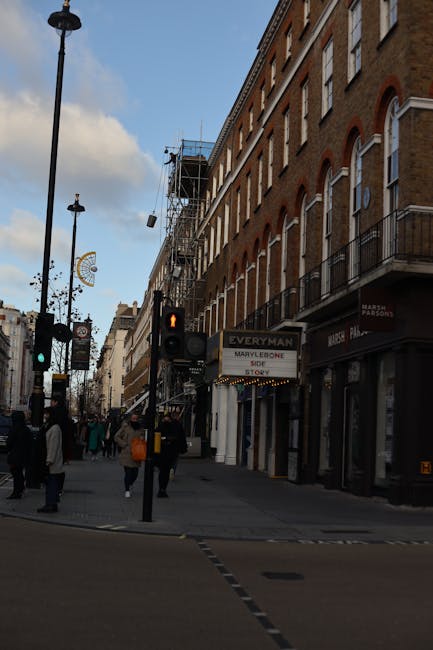
Marylebone is one of those areas where moving logistics are never just about putting boxes in a van. The streets around the district are busy, the kerb space is often used throughout the day, and many properties sit on roads where parking pressure is already high. If you are moving home, relocating a flat, or shifting an office, you may need to reserve space, arrange temporary loading access, or make sure your vehicle can stop legally without causing disruption.
This matters for three reasons. First, timing: a move can take much longer if the van has nowhere to stop. Second, compliance: parking in the wrong place can create a fine or an avoidable dispute. Third, efficiency: if the vehicle can load close to the entrance, the whole move becomes safer and quicker. That last point is easy to underestimate. A few extra metres across a busy pavement can feel like nothing, until you are carrying a wardrobe down a stairwell and around parked cars.
For many local moves, the permit question is less about red tape and more about control. You are trying to control access, time, and risk. A well-planned move in Marylebone usually starts with thinking about the street first, not the boxes.
Expert summary: in dense central London areas, the permit is often one part of a wider moving plan that includes access, vehicle size, loading time, and building rules. Get those aligned early and the day tends to run far more smoothly.
How Westminster Council moving permits for Marylebone explained Works
At a practical level, moving permits and related parking arrangements help a removals vehicle use kerbside space legally for loading or unloading. Depending on the exact location, that might mean a bay suspension, a loading bay arrangement, or some other permission tied to the street and time of day. The details can vary, so it is worth checking the exact road rather than assuming the whole area is handled the same way. Marylebone is central, but not uniform.
Here is the basic flow most people follow:
- Check the property access and road conditions near the address.
- Work out whether the van can stop close enough for safe loading.
- Confirm whether parking restrictions or resident bays affect the move.
- Arrange the appropriate permit or loading arrangement if needed.
- Share the move plan with your removals team so arrival time and vehicle size match the space.
That sounds straightforward, but the tricky bit is usually the last mile. A narrow road, a corner property, or a street with existing restrictions can change everything. In our experience, even one blocked bay or a delivery vehicle parked outside can turn a tidy plan into a scramble. And nobody wants the van circling the block while the neighbour's cat watches from a windowsill. Slightly absurd, but very real.
If you are using a professional service such as man and van support, the operator may help you think through the loading setup and timing. For larger moves, you might also want to look at removal services or a suitable moving truck depending on how much needs to go and how much access space you have.
One useful way to think about it: the permit is not the whole move. It is just the access piece. But if the access piece fails, the rest of the move gets harder very quickly.
Key Benefits and Practical Advantages
When you sort the permit side early, several things become easier. The gains are practical rather than glamorous, but they matter a lot on move day.
- Less downtime: the team can park closer to the property and keep moving.
- Lower risk of penalties: no one wants a parking issue to sit on top of an already busy day.
- Safer handling: fewer long carries means less chance of damage or strain.
- Better scheduling: the move can be timed around access windows and building rules.
- Less friction with neighbours: a planned loading arrangement is easier on everyone nearby.
There is also a quieter benefit: peace of mind. People often forget how much mental energy parking worries drain before a move. Once the access plan is settled, the rest of the day feels more manageable. The boxes still need lifting, of course. But the background anxiety drops.
If your move involves delicate items, a tight stairwell, or a lot of back-and-forth, it may be worth pairing the access plan with proper packing and boxes support. Good packing and good parking are not the same thing, but they work best together.
Who This Is For and When It Makes Sense
Not every move in Marylebone will need a formal permit arrangement, but many will benefit from one. If your van must stop on a restricted street, if the property has no driveway, or if loading has to happen during a busy part of the day, this is very likely relevant.
This tends to matter most for:
- Flat and apartment moves with limited kerb access
- House removals on narrow residential roads
- Office relocations where timing is tight and equipment is heavy
- Student moves, where cost and speed matter but parking is still difficult
- Furniture pick-ups and one-off item collections that require short-stay loading
For example, if you are moving out of a second-floor flat with one small lift and a shared entrance, the van placement becomes crucial. The same is true for office moves where desks, monitors, filing cabinets, and IT equipment need to be moved efficiently. A short loading distance can save a surprising amount of time, and time is money, especially when people are waiting to get on with work.
If you are moving a smaller household load, a removal van or man with van arrangement may be enough. If the move is larger or more complex, a fuller service such as home moves or flat removals may be more appropriate.
Step-by-Step Guidance
Here is a practical way to approach Westminster Council moving permits for Marylebone explained without overcomplicating it.
- Review the exact address and street layout. Check whether the vehicle can pull in nearby, whether the road is one-way, and whether there are any obvious loading limits.
- Estimate the size and timing of the move. A small studio move is very different from a family house or an office floor.
- Identify any parking restrictions. Resident bays, shared-use bays, pay-and-display areas, and loading-only spaces all behave differently.
- Decide whether a permit or suspension is needed. This depends on the road, time, and the type of access required.
- Book the right vehicle and crew. You do not want a tiny van for a three-room flat, nor a huge truck if the street cannot take it safely.
- Tell the team about stairs, lifts, and entry restrictions. This helps the crew bring the right equipment and plan the loading sequence.
- Prepare the property before arrival. Clear hallways, label boxes, and separate essentials from everything else.
- Keep a contact number handy on the day. Tiny delays happen. A gate code, a lift fault, or a missing key can change the flow fast.
A small but important point: do not leave access planning until the day before if you can help it. Central London moves often have moving parts that are hard to predict, and the calendar fills up quickly. A calm move is usually a planned move. Simple, really.
If you want help balancing access, vehicle choice, and timing, start by reviewing pricing and quotes so you can match the service level to the move itself.
Expert Tips for Better Results
These are the small things that often make the biggest difference. Not flashy. Just useful.
- Book access early. The best parking solution is often the one arranged before boxes are stacked in the hallway.
- Choose your loading window carefully. Quiet mornings can be easier than mid-afternoon, but that depends on the street.
- Keep bulky items closest to the exit. Fridges, wardrobes, and beds should not be buried behind fragile boxes.
- Label by room, not just by item. It speeds up unloading and makes the destination less chaotic.
- Measure awkward furniture. The final panic of a sofa that will not turn a staircase corner is not a fun surprise.
- Build in a little buffer. Just twenty or thirty minutes can absorb the odd delay without throwing off the whole day.
One more thing: if you have ever watched a moving team carry a chest of drawers three streets too far because of bad parking, you will know why this matters. It is tiring, it is slow, and it makes the whole day feel longer than it needs to. Truth be told, moving is already enough work without adding extra metres for no reason.
For more complex jobs, it can also help to use a team that understands safe handling and vehicle planning. Pages like insurance and safety and health and safety policy are worth checking if you want reassurance that the move is being handled with proper care.
Common Mistakes to Avoid
Marylebone moves go wrong for fairly predictable reasons. The good news is that most of them are avoidable.
- Assuming the street is fine because it looks quiet. Quiet looking streets can still have strict parking controls.
- Booking a vehicle without checking access. A bigger van is not always better if it cannot park near the property.
- Forgetting about building rules. Some flats and managed buildings have separate move-in or move-out instructions.
- Leaving packing too late. Last-minute boxes are usually badly packed, and badly packed boxes slow everything down.
- Not sharing the full address details. A mews entrance, side gate, or courtyard access can change the plan completely.
- Ignoring local time pressure. School runs, lunch traffic, and delivery activity can all affect the street more than you expect.
There is also the classic mistake of underestimating how long it takes to move from a top-floor flat. Even a light move can become complicated if access is awkward. A lot of people think, "It's only a few items." Then the first awkward wardrobe hits the stairs and, well, reality enters the room.
If the move includes old furniture you do not want to take with you, you may want to combine the removal with furniture removals or even furniture pick-up where suitable. That keeps the move cleaner and helps reduce clutter at both ends.
Tools, Resources and Recommendations
You do not need a huge toolkit to manage a move properly, but a few resources make a big difference.
- Property measurements: door widths, stair turns, lift sizes, and ceiling heights are all worth noting.
- Parking notes: write down loading points, possible restrictions, and alternative spots nearby.
- Box labels: keep labels large and simple. Bedroom, kitchen, office, fragile.
- Inventory list: especially useful for offices or larger homes where items can get mixed up.
- Move-day essentials bag: kettle, chargers, documents, medication, snacks, keys. The usual bits people forget until the last minute.
For storage or staged moves, it may help to consider storage if your move-out and move-in timings do not line up neatly. And if you are moving from a shared flat or student accommodation, student removals can be a practical fit for smaller loads and tighter timeframes.
For office-related moves, useful adjacent services include office removals and office relocation services. The right service often depends on whether you are moving one department, an entire floor, or just a handful of workstations.
Law, Compliance, Standards, or Best Practice
This is where a careful approach matters. Moving permits, parking restrictions, loading bays, and bay suspensions are local access issues, and the exact requirements depend on the street and the council's rules for that location. Because rules can change and streets can differ, it is best to treat the permit question as something to verify, not guess.
In practical terms, good compliance means:
- Checking the parking restrictions for the exact road and time slot
- Making sure the vehicle is appropriately sized for the access point
- Following any building-specific moving rules
- Avoiding obstruction of emergency routes, pavements, or neighbouring entrances
- Using a removals provider that understands how to work safely in busy central London streets
There is also a broader duty of care. Safe lifting, sensible loading, and clear communication are all part of good moving practice. If you are arranging a move yourself, do not cut corners on safety just to shave off ten minutes. It rarely pays off.
For peace of mind, you can also review site pages such as terms and conditions and payment and security so you know how the service is handled before anything gets booked.
Options, Methods, or Comparison Table
Different moves in Marylebone need different approaches. Here is a simple comparison to help you decide what suits the job.
| Method | Best for | Strengths | Watch-outs |
|---|---|---|---|
| Small van / man and van | Studios, a few items, quick local moves | Flexible, compact, good for tight streets | Can be limited for larger furniture or big volumes |
| Standard removal van | Typical flat moves and mixed household loads | Balanced space and manoeuvrability | Still needs sensible parking and loading access |
| Larger moving truck | Heavier household or office moves | More capacity, fewer trips | May struggle on narrower roads if access is tight |
| Full removal service | Complex house, office, or multi-item moves | More support, planning, and handling help | Needs early booking and clearer access coordination |
If you are undecided, think in terms of access first, volume second. A huge vehicle is not impressive if it cannot safely stop near the building. A smaller, well-planned setup often wins in Marylebone, especially where kerb space is tight.
For many people, the sweet spot is a service built around the move itself rather than the vehicle alone. That may mean a removals package, or a more specific option like house removals if you are moving a whole property.
Case Study or Real-World Example
Picture a typical weekday morning in Marylebone. A couple is moving out of a two-bedroom flat on a side street near busy shops and delivery traffic. They have boxed most things, but the street is narrow and there is no private driveway. The first instinct is to hire a van and hope for the best. That can work, but it is risky.
Instead, they check the road layout, confirm the loading point, and schedule the move for a quieter time window. They also split the load: the larger items go first, followed by labelled boxes by room. The van parks close enough for safe loading, which cuts the carry distance and keeps the hallway clear. It is not glamorous. It is just efficient.
Halfway through, they realise the lift is smaller than expected. Annoying? Yes. Fatal to the move? Not at all, because the team already planned for a slower hand-carry section. A tiny delay happens, one box is repacked, and the move finishes without drama. That is the sort of situation where a permit-minded approach quietly saves the day.
If the move had been an office relocation, the same principle would apply, only with more urgency. Files, monitors, and workstations need predictable access. That is why services like commercial moves are often best paired with proper loading and timing decisions from the start.
Practical Checklist
Use this before move day. It is simple, but it catches the obvious problems.
- Confirm the exact moving address and access route
- Check whether the street has loading or parking restrictions
- Decide if a permit, bay suspension, or loading arrangement is needed
- Choose a vehicle that suits both volume and access
- Measure bulky furniture and tight doorways
- Label boxes clearly by room and priority
- Tell the removals team about stairs, lifts, and any access codes
- Keep essentials, keys, and documents separate
- Plan a buffer for traffic or small delays
- Review any building rules before the van arrives
If you are moving on short notice, a same-day arrangement may still be possible in some cases. See same-day removals if speed is the priority, though it is always better to plan ahead where you can.
Conclusion
Westminster Council moving permits for Marylebone explained comes down to one clear idea: in a busy, space-limited part of London, access matters just as much as the boxes themselves. When you plan the loading space, vehicle size, timing, and building rules together, the move becomes calmer, safer, and usually faster too.
The best approach is rarely to improvise on the day. It is to think a step ahead, ask the awkward questions early, and make the street work for the move instead of against it. That small bit of care makes a proper difference, and you will feel it when the last box is carried in and the place starts to feel like yours.
For a company overview before you book, you can also review about us and the wider removal companies page to see how services are structured.
Get a free quote today and see how much you can save.
Frequently Asked Questions
Do I need a moving permit in Marylebone?
Not every move will need one, but many will benefit from some form of parking or loading arrangement. It depends on the exact street, restrictions, vehicle size, and how long the van needs to stop.
What is the difference between a permit and a bay suspension?
In simple terms, a permit usually allows or supports a specific parking or loading activity, while a bay suspension temporarily prevents normal parking in a bay. The right option depends on the location and the type of access required.
How far in advance should I sort the access arrangements?
As early as possible. Central London streets are busy, and access problems are easier to solve before move day than on the morning of the move. A few days can help, but more time is better.
Can a small van avoid the need for a permit?
Sometimes a smaller van is easier to place legally, but size alone does not remove parking restrictions. You still need to check the street rules and loading conditions.
What happens if the van cannot park near the property?
The move may take longer, involve longer carries, or need to be rescheduled. In some cases, it can also create parking risks. That is why access planning is so important.
Are Marylebone flats harder to move from than houses?
Often yes, because flats may involve lifts, stairwells, shared entrances, and less kerb access. Houses can be easier, but narrow residential roads can still create problems.
Does an office move need different planning?
Usually it does. Office moves often involve heavier equipment, tighter timings, and more people affected by delays. Services such as office removals are often better suited to that kind of job.
What should I tell the removals team before the job?
Give them the exact address, floor level, lift details, stair access, parking restrictions, item list, and any building rules. The more accurate the information, the smoother the move usually goes.
Is a same-day move realistic in Marylebone?
It can be, especially for smaller loads, but it depends on availability, access, and how much there is to move. If timing is tight, services like same-day removals may help.
What if I have furniture I do not want to take?
You can often separate it from the main move and arrange a specific collection or disposal plan. For suitable items, furniture removals can help reduce clutter and make the move cleaner.
Where can I find help if my move is complicated?
Look for a removals provider that can handle access planning, vehicle choice, and packing support together. Useful starting points include removal services, packing and unpacking services, and pricing and quotes.
What is the biggest mistake people make with Marylebone moves?
The biggest mistake is assuming parking will sort itself out. It rarely does. Once access is planned properly, everything else tends to fall into place much more easily.