Commercial same-day moves: Marylebone shop-to-shop jobs
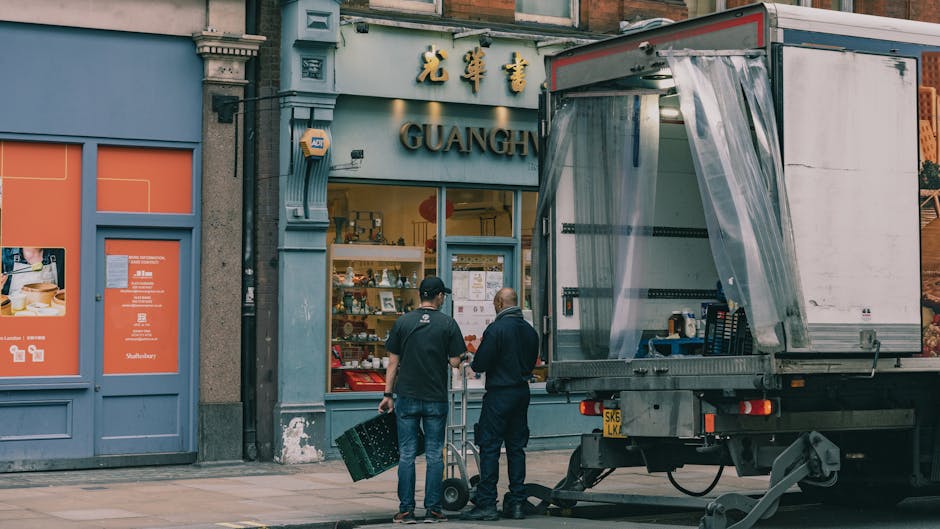
If you run a shop in Marylebone, you already know that time is money, and sometimes the clock is the whole problem. A display stand has to move before opening. A stock transfer has to happen after lunch. Or a few bulky items need to go from one premises to another without turning the street into a mini warehouse. That is where Commercial same-day moves: Marylebone shop-to-shop jobs come in: fast, organised, local moves for retailers, salons, studios, pop-ups, and other trading businesses that cannot afford a long delay.
This guide breaks down what these moves involve, how they work, what can go wrong, and how to plan them properly. You will also find practical tips, a checklist, a comparison table, and a realistic example so you can judge whether a same-day commercial transfer is the right fit for your business. No fluff. Just the stuff that matters when you need boxes, fixtures, or stock moved cleanly and on time.
Why commercial same-day shop-to-shop moves in Marylebone matter
Marylebone has a particular kind of pressure. The streets are busy, access can be tight, customer expectations are high, and many businesses trade in small, valuable, easily damaged items. A same-day shop-to-shop move is not just about transport; it is about keeping service moving while minimising interruption. In practice, that might mean shifting stock from one branch to another, moving promotional fixtures, relocating seasonal displays, or clearing one site before a handover.
For many businesses, the biggest issue is not the distance. It is the timing. A ten-minute journey can become a half-day headache if the move is not scheduled carefully. Traffic, loading restrictions, narrow pavements, lift access, staff availability, and customer footfall all play a part. If the move is handled well, though, the disruption can be tiny. Almost invisible, even.
That is why businesses often look for a local commercial moves service rather than trying to manage everything internally. In our experience, the value is not only the vehicle and the driver. It is the judgement that comes from doing this kind of work in a dense London area where timing, parking, and handling matter just as much as speed.
Expert summary: Same-day shop-to-shop moves work best when the job is treated like a time-sensitive business transfer, not a casual pickup. Clear instructions, proper packing, and a realistic loading plan make a bigger difference than most people expect.
How commercial same-day moves: Marylebone shop-to-shop jobs work
The basic idea is simple: items are collected from one commercial address and delivered to another on the same day, often with minimal waiting in between. But the process runs smoothly only when each stage is planned. A good move usually starts with a quick call or written brief, then a quote, then a time slot that suits both locations. Once that is agreed, the mover plans the vehicle size, route, parking needs, and any handling equipment needed.
Depending on the job, a same-day move may include one or more of the following:
- single-item pickup and delivery
- stock transfer between two shops
- display unit or fixture relocation
- urgent replacement stock movement
- short-notice collection after a shop refit
- circular moves between a warehouse, shop, and second shop
For smaller jobs, a flexible vehicle such as a man and van or man with van setup can be enough. For heavier or bulkier commercial loads, you may need something closer to a moving van or even a removal van. The right choice depends on what you are moving, how fragile it is, and whether there are stairs, basement access points, or awkward back entrances.
One small but important point: the fastest move is not always the one with the biggest vehicle. If a large van cannot park close to either doorway, your move can become slower, not quicker. To be fair, this catches people out all the time.
Key benefits and practical advantages
Same-day commercial moving sounds like a convenience service, but for many businesses it is a continuity tool. Used properly, it keeps trading steady and protects margins.
- Less downtime: Goods and fittings can move outside the busiest customer hours, so trading interruptions are reduced.
- Faster response to demand: If one site is running short of stock, you can rebalance quickly instead of waiting days.
- Lower risk of lost sales: A missing display or product line can be corrected the same day, which helps protect impulse purchases.
- Better control over fragile items: Dedicated handling is usually safer than mixing commercial stock with unrelated household items.
- More predictable logistics: With a fixed route and time slot, the job is easier to coordinate with staff at both ends.
There is also a less obvious benefit: calm. If you know a driver is arriving in a defined window, and staff know what is being moved, everyone stops improvising. The whole thing feels more manageable. That matters more than people admit.
Businesses often pair same-day transfers with packing and unpacking services when the items are delicate, labelled stock needs to be sorted, or the receiving shop needs immediate setup support. For urgent moves with light but valuable goods, a well-organised removal services approach can be a sensible middle ground.
Who this is for and when it makes sense
This type of move is especially useful for businesses that live and die by speed, presentation, or stock availability. The classic examples are obvious, but the list is broader than you might think.
- Independent retailers: clothing, accessories, homeware, books, gifts, and speciality goods
- Hospitality businesses: cafes, bars, bakeries, and small food operators moving equipment or supplies
- Beauty and wellness brands: salons, clinics, treatment rooms, and studio spaces with furniture and stock
- Creative businesses: galleries, event teams, designers, and staging crews
- Franchise or multi-site traders: businesses shifting stock from one branch to another
- Pop-ups and seasonal traders: temporary retail spaces with time-sensitive setup windows
It also makes sense when a shop needs to close unexpectedly for repairs, when a refit is finishing earlier than planned, or when a delivery window has been missed and you need a recovery move. If the items are small enough to go in bags and boxes, you could compare a few options, including a local removals near me search approach or a more tailored removal company for heavier and more complex jobs.
Not every business needs same-day support. If the move can wait until tomorrow without damaging trading, a slower plan is often cheaper and less stressful. But if the move affects shelves, service, or staffing today, waiting is usually the expensive option.
Step-by-step guidance
A same-day shop-to-shop move becomes much easier when it follows a simple sequence. You do not need a grand plan. You need a clear one.
- List exactly what is moving. Separate stock, fixtures, packaging, paperwork, and any fragile or high-value items.
- Measure the awkward bits. Door widths, stair turns, lift size, and the height of any shelving or display units matter more than people think.
- Choose the right vehicle. A compact load may suit a man with van removal style service, while bulkier items may need a larger commercial vehicle.
- Assign a contact person at each end. One person should be able to answer access questions, sign things off, and deal with surprises.
- Pack for speed and safety. Use labelled boxes, secure lids, bubble wrap where needed, and clear fragile markers.
- Build in a realistic time window. Even a simple job can be slowed by traffic, loading access, or one item that needs extra care.
- Confirm the delivery point. Make sure staff are present and the receiving site is ready to unload immediately.
- Check the result on arrival. Count, inspect, and note any damage or missing items before the move is signed off.
A practical trick: place the items needed first near the door and label them clearly. If the new shop needs till accessories, signage, or stock for the front display before everything else, say so upfront. A driver can only prioritise what they know about.
If the move involves furniture or fixtures being redistributed between sites, you may also find it helpful to review furniture pick up options, especially where there is a mix of stock and shop furniture in one load.
Expert tips for better results
Here is the practical stuff that saves time on the day. Some of it sounds obvious, but that is exactly why it gets missed.
- Prepare the route at both locations. Move anything blocking doorways, hallways, or basement entrances before the vehicle arrives.
- Use consistent labels. A simple system like A1, A2, B1, B2 is often better than long descriptions written in a rush.
- Keep high-value items separate. Cash handling, cards, or sensitive paperwork should not be mixed in with general stock.
- Photograph before loading. Not for drama. Just so everyone knows the condition of fixtures and fragile goods beforehand.
- Book a realistic arrival window. A too-tight slot can cause more stress than it solves.
- Tell the mover about access quirks. Fire doors, shared entrances, basement steps, loading restrictions, and concierge rules all matter.
And one more, from experience: keep a spare roll of tape nearby. The one you packed ends up under a desk, and somehow everyone acts surprised. Happens every time.
If you are comparing suppliers, look at broader capability too. Some businesses prefer a dedicated movers team, while others want a more structured office removals style service if there is paperwork, IT kit, or storage furniture involved.
Common mistakes to avoid
Most same-day move problems are not dramatic. They are small mistakes that add up. A missing label here, a blocked doorway there, and suddenly the job takes twice as long.
- Underestimating the load: People often describe a move as "just a few boxes" and then remember the display shelving, stock totes, and spare packaging halfway through.
- Forgetting parking and access: In Marylebone, that can be the difference between a smooth handover and a long wait on the pavement.
- Poor packing: Loose items inside open boxes, weak tape, and unwrapped corners are easy ways to cause avoidable damage.
- No receiving plan: If the other shop is not ready, the vehicle just becomes a storage room on wheels.
- Not checking insurance and terms: Commercial jobs should be covered properly, with expectations clear on handling, delays, and liability.
- Leaving decisions to the last minute: Same-day does not have to mean last-minute chaos. It really does not.
One subtle mistake is failing to separate what must go today from what can wait. When everything is treated as urgent, nothing gets prioritised properly. The result is usually a messy handover and a tired team.
Tools, resources and recommendations
You do not need specialist software to manage a local shop-to-shop transfer, but a few simple tools make the job much cleaner.
- Inventory list: a basic spreadsheet or written checklist works fine
- Labels and markers: use large, readable labels for boxes and bags
- Protective packing: blankets, wrap, carton tape, and corner protection for fragile items
- Photos on a phone: useful for condition checks and confirming load order
- Access notes: door codes, loading point instructions, and contact numbers
- Time plan: a simple arrival, load, travel, and unload sequence
For businesses that prefer a more rounded logistics support package, it can help to explore removal services, or, for more substantial transfers, removal truck hire. If the move is larger than expected, a moving truck or even a broader removals solution may be more efficient than splitting the job into multiple small trips.
For businesses where sustainability matters, it is also worth checking whether surplus packaging or unwanted furniture can be reused, recycled, or cleared responsibly. There is no need to overcomplicate that part, but it should not be an afterthought either. A tidy move is good business; a tidy end-of-job process is better.
Law, compliance, standards, or best practice
Commercial moves in London tend to be shaped less by dramatic legal hurdles and more by practical compliance and common-sense risk management. The important thing is to work in line with the usual UK expectations around safety, insurance, and responsible handling.
In plain English, that means a mover should be able to explain how items are loaded safely, how fragile goods are protected, and what happens if access is poor or conditions change. Businesses should also make sure that the moving arrangement reflects the nature of the goods being transported. For example, a stock transfer with fragile stock, electricals, or branded fixtures needs clearer care than a simple box run.
It is sensible to ask about:
- insurance arrangements for goods in transit
- manual handling practices
- how damage or delay is handled
- whether staff will help with lifting and placement
- what information the mover needs before the job starts
Marylebone also brings practical local considerations. Traffic and access constraints are not theoretical here; they are part of the job. A sensible commercial mover will factor those in rather than pretending they do not exist. If you want to understand the company's broader approach to safety and responsibility, it is worth reading the site's health and safety policy and insurance and safety information before you book.
For general trust and transparency, other useful references include pricing and quotes and the company's terms and conditions. That is not just admin. It helps you avoid awkward surprises later.
Options, methods, or comparison table
There are a few workable ways to handle a commercial same-day move. The right choice depends on how much you are moving, how urgent it is, and how sensitive the load is.
| Option | Best for | Strengths | Limitations |
|---|---|---|---|
| Man and van | Small stock transfers, boxes, light fixtures | Flexible, quick to deploy, good for short local jobs | Less ideal for heavy furniture or awkward bulk |
| Moving van | Medium commercial loads, mixed stock, several runs | Better capacity, still manageable in tight London streets | May still need careful parking and access planning |
| Removal van | Shop-to-shop jobs with fixtures, wrapped stock, and larger items | More suitable for heavier items and fuller loads | Can be overkill for very small collections |
| Full removal service | Complex moves, refits, office-style transfers, multi-item jobs | More support, better for planning and handling | Usually the most involved option |
As a rule of thumb, the more your move depends on speed and access, the more valuable proper planning becomes. A smaller vehicle can be faster in a tight street. A larger one can be better if the issue is load volume rather than speed. There is no single winner.
Case study or real-world example
Picture a small clothing retailer in Marylebone with two sites a short distance apart. One branch has an overstock of summer pieces, while the other has a rail that is looking thin by mid-morning. The team wants a same-day transfer, but both shops are open, customers are coming and going, and the stock must arrive neatly folded, not crushed into a heap.
In a sensible version of this job, the store manager labels the transfer boxes by category, sets aside fragile display items, and clears a loading space near the entrance before the vehicle arrives. The driver arrives in a pre-agreed window, loads the items from the first site, and goes straight to the second location without delays. At the destination, the receiving team is ready to sign off the load and place the stock directly onto the shop floor.
The result is simple: the first branch regains floor space, the second branch gets a better display, and the business avoids a missed sales day. Nothing flashy. Just efficient. And that is often what good commercial moving looks like.
Now, if that same job had been handled without labels, without a contact person, and with no plan for parking, it could easily have turned into a slow, stressful half-day. Same job. Very different outcome. A bit of planning saves the nerves, honestly.
Practical checklist
Use this before the vehicle arrives. It will save you from the usual last-minute scramble.
- Confirm the pickup and delivery addresses
- List every item being moved
- Separate fragile, valuable, and urgent items
- Measure bulky fixtures or awkward cartons
- Check door widths, stairs, and lift access
- Make sure staff know the arrival window
- Clear the loading area at both ends
- Label boxes clearly and consistently
- Prepare packing materials in advance
- Confirm insurance, payment, and terms
- Keep a contact number for both sites
- Inspect items on arrival and sign off the load
If you want a broader commercial solution rather than a one-off transfer, it can be useful to compare removal company support with more tailored business-facing services such as office relocation services. That comparison often clarifies what level of help you actually need.
Get a free quote today and see how much you can save.
Conclusion
Commercial same-day moves in Marylebone are about keeping a business moving without unnecessary disruption. When the route is short but the timing is tight, the right setup makes all the difference: the right vehicle, the right packing, the right access notes, and a clear plan at both ends. That is the difference between a rushed, awkward transfer and a clean handover that barely interrupts the trading day.
If you are moving stock, fixtures, or shop equipment between Marylebone premises, the safest approach is to treat the move as an operational task, not just a transport booking. Get the details straight, ask the practical questions early, and make sure the people at both locations are ready. Small things. But they matter.
Handled properly, a same-day shop-to-shop move can feel almost effortless. And in a busy part of London, that kind of quiet efficiency is a very good thing.
Frequently Asked Questions
What counts as a commercial same-day move?
It is a same-day transfer of business items between commercial locations, such as shops, studios, offices, or stock points. That can include boxes, display fixtures, furniture, or urgent supplies.
Are shop-to-shop jobs in Marylebone usually small or large?
They are often small to medium in size, but not always. Some are just a handful of cartons; others involve racks, shelving, or a full stock transfer between branches.
How do I know whether I need a man and van or a larger vehicle?
If the load is light, compact, and easy to carry, a man and van style service may be enough. If the items are bulkier, a moving van or removal van is usually more practical.
Can same-day moves include fragile stock or display items?
Yes, provided they are packed and labelled properly. Fragile goods should be protected with suitable wrapping and loaded so they cannot shift around in transit.
How much notice do I need to give for a same-day job?
As much notice as you can, even if it is only a short lead time. The key is to give the mover clear details early so the job can be scheduled realistically.
What information should I prepare before booking?
Have the pickup and delivery addresses, item list, access details, time window, and any special handling notes ready. The more precise you are, the smoother the move will be.
What if parking is difficult at one or both locations?
Tell the mover in advance. In Marylebone, parking and access can shape the whole job. A good plan will account for loading restrictions, narrow streets, and any shared entrances.
Are commercial same-day moves insured?
They should be handled with appropriate insurance and clear terms. Always ask how goods in transit are covered and what the process is if damage or delay occurs.
Can I combine multiple pickup points in one same-day move?
Often yes. Multi-point jobs are common for businesses moving stock between branches or collecting items from a supplier before delivering them to a shop.
Is a same-day move more expensive than booking in advance?
It can be, because the job needs faster coordination and may require priority scheduling. That said, it can still be cheaper than losing sales or causing an avoidable closure.
What is the biggest mistake businesses make with same-day shop transfers?
Underplanning. The load is underestimated, the receiving shop is not ready, and the vehicle ends up waiting. That is where time and money slip away.
Where can I learn more about the company's approach to safety and pricing?
Useful pages include health and safety policy, insurance and safety, and pricing and quotes. They help set clear expectations before the job starts.