Baker Street removals: Narrow-stair solutions in Marylebone
Moving on or near Baker Street sounds straightforward until you meet the staircase. In Marylebone, many properties come with tight landings, curved stairwells, awkward turns, and historic layouts that make even a small sofa feel oversized. That is why Baker Street removals: Narrow-stair solutions in Marylebone need a proper plan, not just more muscle.
This guide explains how narrow-stair removals work, what to expect on the day, and how to avoid the mistakes that usually slow everything down. Whether you are moving a flat, a house, a studio, or a small office, the goal is the same: protect your belongings, reduce stress, and get everything out safely without damaging walls, bannisters, or your sanity. For readers comparing service options, the wider removal services in Marylebone and the local man with a van option are useful places to start.
Truth be told, stairs are rarely the problem on their own. It is the combination of stair width, furniture shape, access restrictions, parking pressure, and time limits that makes these jobs tricky. The good news? With the right packing, lifting technique, and route planning, narrow-stair moves are very manageable.
Table of Contents
- Why narrow-stair removals matter in Baker Street and Marylebone
- How the moving process works
- Key benefits and practical advantages
- Who this is for and when it makes sense
- Step-by-step guidance
- Expert tips for better results
- Common mistakes to avoid
- Tools, resources and recommendations
- Law, compliance, standards and best practice
- Options, methods and comparison table
- Case study or real-world example
- Practical checklist
- Conclusion
- Frequently asked questions
Why Baker Street removals: Narrow-stair solutions in Marylebone Matters
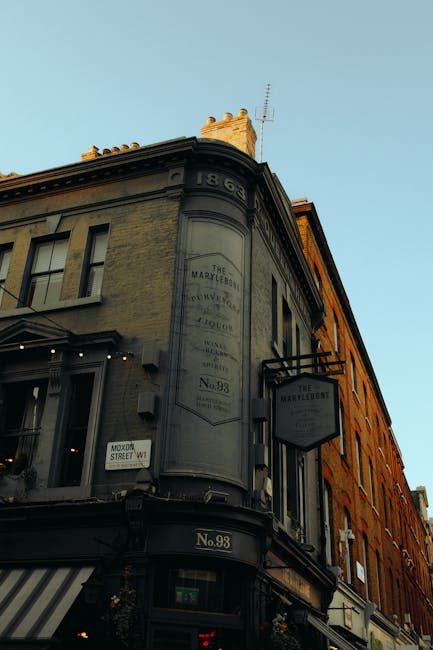
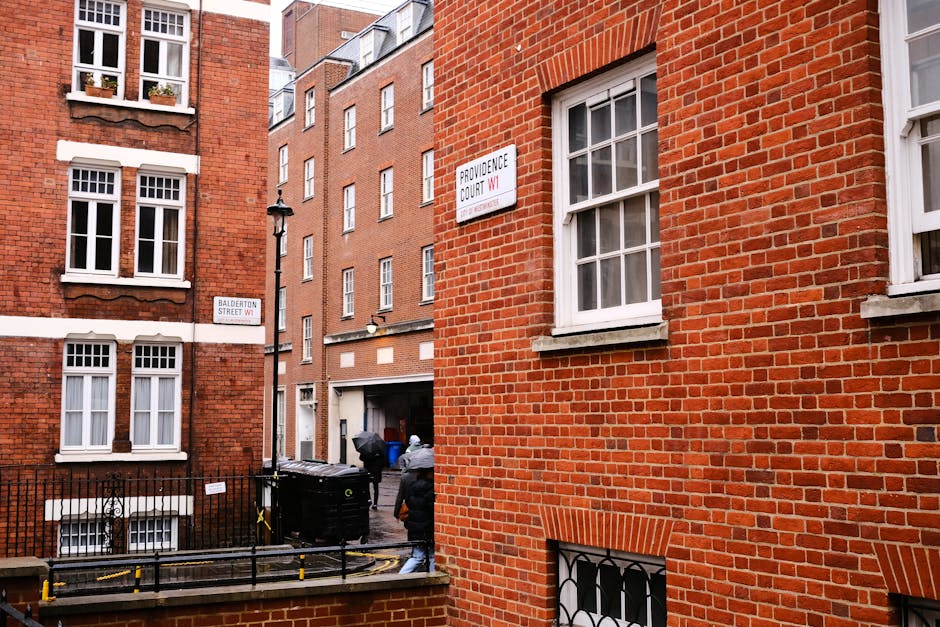
Marylebone is full of attractive buildings, but attractive does not always mean easy to move in or out of. Baker Street and the surrounding streets often include period conversions, mansion blocks, upper-floor flats, mews properties, and compact office spaces. That creates a familiar problem: the stairwell is not designed for modern oversized furniture.
Narrow stairs matter because they increase the risk of scratches, friction damage, dropped items, and delays. A wardrobe that would pass easily through a modern staircase can become a full-team manoeuvre in an older building. Add a narrow hallway, a sharp corner, and a front door that opens awkwardly, and you have the classic London removal puzzle.
This is also a time issue. Longer handling times can affect parking arrangements, lift bookings, neighbour access, and building management requirements. In busy parts of central London, those details matter. A job that looks small on paper can become complicated very quickly if the access route has not been checked.
If you are moving from a flat or upper-floor property, the most useful habit is simple: treat access as part of the inventory. Not just what you own, but how it will leave the building. That shift in thinking prevents a lot of last-minute stress.
For people moving from or into smaller apartments, the flat removals service in Marylebone is especially relevant. If the move is more substantial, the house removals page is a better fit. And if you need a broader overview before deciding, removals in Marylebone gives a helpful starting point.
How Baker Street removals: Narrow-stair solutions in Marylebone Works
A narrow-stair move is usually completed by combining planning, dismantling, wrapping, route control, and careful lifting. The actual method depends on the item, the staircase, and whether a safer alternative route exists. Some items can be carried upright; others need to be rotated, tipped, or partially dismantled before they will fit.
The process usually starts with a survey of access. That means measuring stair width, landing depth, ceiling height, turning space, and door swing. A professional mover will also check whether railings, lights, artwork, mirrors, or banisters need temporary protection. If the staircase is especially tight, it may be more efficient to remove table legs, bed frames, or cabinet doors before moving begins.
Then comes protection. Good movers do not simply carry and hope. They protect corners, wrap furniture, secure loose parts, and plan the order of items so that the largest or most difficult pieces are handled first. That approach reduces the chance of congestion on a landing, where a single awkward item can block the whole job.
There is often a decision to make between carrying items downstairs by hand and using an alternative method. In some cases, the safest option is to move bulky furniture piece by piece. In others, it may be better to transport furniture via a different entrance, a service route, or a van parked as close as legally possible. The best choice depends on the property, the item, and the time available.
If you are also comparing crew size or vehicle flexibility, the local man with van service and removal van options are useful for smaller or medium-sized moves. Larger or more structured relocations may suit removal companies in Marylebone or dedicated office removals support.
Key Benefits and Practical Advantages
The biggest benefit of a specialist narrow-stair solution is not speed on its own. It is control. A move that feels controlled is usually safer, cleaner, and ultimately quicker than one that starts with guesswork.
- Less damage risk: Planned manoeuvres reduce knocks to walls, frames, and furniture edges.
- Better time use: Knowing the route in advance prevents repeated lifting and backtracking.
- More suitable handling: Bulky items can be wrapped, dismantled, or carried in stages.
- Improved safety: The team can use the right lifting pattern and avoid rushed decisions on the stairs.
- Less disruption to neighbours: Shorter blocking of landings and shared entrances is always helpful in Marylebone blocks.
- Cleaner finishing: Fewer collisions mean fewer repairs, touch-ups, or post-move complaints.
There is also a psychological benefit, which is easy to underestimate. If you know the access has been checked and the right approach chosen, the whole day feels less brittle. You are not improvising with a sofa halfway down a staircase. That matters more than people think.
For moves that involve delicate items, the same logic applies. For example, furniture removals in Marylebone are often more successful when the item list is reviewed in advance. If you have a specialist item, such as an upright instrument, piano removals require even more care and planning.
Who This Is For and When It Makes Sense
Narrow-stair removals are not only for people moving out of old buildings. They are useful whenever access is limited, furniture is oversized, or the property layout makes standard carrying risky.
This approach makes sense if you are:
- leaving a top-floor flat in a period conversion
- moving into a Baker Street or Marylebone mansion block
- relocating a bulky sofa, bed, wardrobe, or bookshelf
- moving student furniture with tight access and limited parking
- handling a same-day or short-notice move where efficiency matters
- planning an office move with shared stair access and limited loading time
It also suits people who want a more economical solution than a full-scale moving operation. A smaller crew and vehicle can be enough if the item volume is modest. That is where the right local service becomes valuable. A booked move through same-day removals in Marylebone can be useful when timing is tight, while student removals are often tailored to smaller loads and faster turnaround.
If the move is part of a larger life change, such as renting, buying, or downsizing in the area, it may also help to read about the local property context. The articles on Marylebone's property landscape and smart property purchasing in Marylebone give useful background.
Step-by-Step Guidance
Here is a practical way to handle a Baker Street move with narrow stairs, without overcomplicating it.
- Check the access route first. Measure the staircase, landings, entrance width, and any sharp turns. If the building has a service lift, find out whether it can be used and what restrictions apply.
- List the difficult items. Focus on bulky or fragile pieces first: wardrobes, mattresses, desks, mirrors, glass tables, and anything with fixed arms or protrusions.
- Decide what can be dismantled. Removing legs, shelves, doors, or bed frames often turns a difficult move into a manageable one.
- Pack for handling, not just storage. Use sturdy boxes, fill gaps so items do not shift, and avoid overloading anything that will need to be carried down stairs.
- Protect the building. Use corner protection, floor runners, and blankets where necessary. Shared hallways are common in Marylebone, and they deserve the same care as your furniture.
- Stage items by order of difficulty. The biggest or most awkward items should usually go first, while the easy boxes can be moved later.
- Keep the landing clear. One cluttered landing can slow the whole move. Clear coats, bins, plants, and loose items well before the team arrives.
- Load the van logically. Heavier items go in first, with fragile items secured separately so they do not shift during transport.
- Do a final walkthrough. Check cupboards, under beds, behind doors, and inside storage spaces. Lost keys and documents have a habit of appearing after the van has left.
A good local mover will make this feel less like a puzzle and more like a sequence. If you want help planning the job rather than simply turning up on the day, it is worth reviewing packing and boxes support and the broader removal services available in Marylebone.
Expert Tips for Better Results
Small details often make the biggest difference in narrow-stair moves. The following tips are simple, but they save time and reduce risk.
- Measure the widest point of the item, not just the obvious face. Handles, feet, and decorative trim can be the thing that catches.
- Take photographs of difficult routes. A couple of clear pictures of the stairwell or landing can help a mover assess the job in advance.
- Use consistent box sizes where possible. Stacking and carrying are easier when boxes behave the same way.
- Label fragile boxes on multiple sides. A box may be rotated during handling, so one label is not enough.
- Reserve space at the entrance if you can do so legally. In central London, good loading access can be the difference between a smooth move and a frustrating one.
- Move the awkward items early in the day. Energy, attention, and patience tend to be better at the beginning than at 5 p.m.
One overlooked tip: if a piece of furniture is sentimental but not especially practical, think twice before forcing it down a stairwell. A replacement can be annoying. A cracked bannister or damaged frame is worse. Sometimes the smartest move is to dismantle, store, or replace the item later.
If you are deciding between keeping items or placing them in temporary storage, storage in Marylebone can be a sensible bridge between properties. It is also worth reviewing recycling and sustainability options if some items are better reused or disposed of responsibly.
Common Mistakes to Avoid
Most narrow-stair problems come from assumptions. People assume the furniture will fit, the staircase will be forgiving, or the move can be improvised as it goes. That is where things start to slip.
- Not measuring properly. Estimating stair width by eye is how many awkward moments begin.
- Ignoring landing space. A piece may fit on the stairs but still fail at the turn.
- Failing to dismantle in time. Unscrewing parts on the stairwell is a frustrating way to spend your morning.
- Overpacking boxes. Heavy boxes are harder to carry safely and more likely to burst.
- Leaving access questions until the moving day. Parking, building entry, and lift rules are much easier to sort out beforehand.
- Choosing the wrong vehicle size. Too small means extra trips; too large can create parking headaches.
- Assuming every item should be moved as one piece. Sometimes the safest option is disassembly, not brute force.
A small amount of planning prevents a large amount of stress. That is especially true in Marylebone, where old buildings can look deceptively simple from the street.
Tools, Resources and Recommendations
The right tools are not glamorous, but they are often the reason a move goes well. A narrow-stair job typically benefits from protective and handling equipment such as:
- removal blankets and furniture pads
- stretch wrap for drawers, doors, and loose parts
- sturdy tape and labels for organised packing
- trolleys or dollies where floor space allows
- corner guards and door protection
- straps for controlling heavy items
- well-fitting gloves with a solid grip
For readers who prefer a full-service approach, it can help to look at the broader removal companies in Marylebone before deciding. If you are only moving a few items and want a more flexible arrangement, the local man and van service can be a practical middle ground.
Useful resources for planning also include the provider's service pages and policies. It is sensible to review insurance and safety information, the health and safety policy, and the pricing and quotes page so you know what is covered and how estimates are calculated.
Expert summary: If the access route is tight, the move should be planned around the staircase, not around the furniture. Measure first, dismantle early, protect the building, and choose the smallest method that still keeps the job safe.
Law, Compliance, Standards and Best Practice
For most domestic removals, the main concerns are safety, access, insurance, and responsible handling rather than complex regulation. That said, good practice still matters. Professional movers should work carefully to avoid injury and property damage, and they should be clear about what is and is not included in the service.
If you are moving from a block of flats, you may also need to follow building rules. These are not universal, so it is wise to confirm lift booking requirements, loading bay rules, concierge instructions, and any time windows set by the building manager. In central London, these practical rules can matter as much as the move itself.
From a customer perspective, it is sensible to check that the service provider has clear terms, payment procedures, complaints handling, and privacy information. The site's pages on terms and conditions, payment and security, complaints procedure, and privacy policy help set expectations.
Accessibility is another sensible consideration. Narrow stairs may be part of the building's design, but the service should still be organised in a way that respects the needs of residents, neighbours, and any visitors who rely on clear access routes. If this is relevant to your move, the accessibility statement is worth reviewing.
On the sustainability side, responsible removals often involve reusing packing materials where possible, separating recyclables, and avoiding unnecessary waste. The sustainability page is a helpful reminder that a good move should not create avoidable mess behind the scenes.
Options, Methods, or Comparison Table
There is no single best way to handle a narrow-stair move. The right method depends on the size of the load, the shape of the furniture, the building access, and how much time you have.
| Method | Best for | Strengths | Limitations |
|---|---|---|---|
| Full-service removals | Larger moves, mixed furniture, busy households | More support, better coordination, fewer handling problems | Usually higher cost than smaller options |
| Man and van | Small to medium moves, flexible scheduling | Efficient, practical, often ideal for tight access | Less capacity for very large households |
| Dedicated furniture move | Bulky single items or a few awkward pieces | Focused handling, suitable for stairs and corners | May not suit full-property moves |
| Office removal team | Workspaces, desks, filing, equipment | Structured planning and faster coordination | Needs more detailed access planning |
If your move involves just one or two heavy items, a focused furniture job may be the neatest solution. If you have a flat with multiple boxes and a few awkward pieces, a flexible man-and-van arrangement may be enough. For larger or business-related relocations, specialist office removals in Marylebone usually provide the right mix of planning and manpower.
Case Study or Real-World Example
Imagine a one-bedroom flat near Baker Street with a narrow staircase, a sharp second-floor turn, and a sofa bed that looked reasonable in the showroom but behaves like a small train carriage. The move also includes a bed frame, six boxes, a desk, and two mirrors.
The practical solution would likely be:
- measure the stairwell and landing before move day
- dismantle the bed frame and remove detachable sofa parts if possible
- wrap mirror corners and secure the sofa bed mechanism
- load the smaller boxes last so they do not get in the way
- protect the bannister and door frames with coverings
- carry the sofa in the safest orientation, even if that means taking a slower route
What makes this kind of move succeed is not heroics. It is sequencing. The largest obstacle is handled first, the route is kept clear, and each item is prepared according to how it will be carried. Once that happens, the move feels much less dramatic. Not glamorous, perhaps, but definitely better than discovering the sofa will not turn at the landing after everyone is already committed.
For context about local living and property conditions, the article on life in Marylebone and the broader overview of Marylebone's neighbourhood character can help set expectations about the area's building styles and layout quirks.
Practical Checklist
Use this checklist before the move starts. It keeps the day organised and avoids the most common access problems.
- Measure staircase width, landing space, and entrance clearance
- Identify furniture that may need dismantling
- Book parking or loading access where required
- Confirm building rules, lift access, and time windows
- Protect floors, doors, corners, and bannisters
- Label boxes clearly and keep heavy items manageable
- Set aside tools, screws, and fittings in one clearly marked bag
- Photograph fragile or valuable items before collection
- Keep hallways and landings clear
- Review insurance, payment, and service terms in advance
- Separate items for storage, recycling, or disposal
- Do a final sweep of cupboards, drawers, and shelves
If you want help turning this checklist into an actual move plan, start with the service details on about us and the contact page at contact us. A quick conversation can save a lot of stairwell drama later.
Conclusion
Baker Street and the wider Marylebone area are full of beautiful buildings, but beautiful buildings often come with tight staircases and awkward access. The answer is not to push harder; it is to plan smarter. Measure carefully, dismantle what you can, protect the route, and use the right type of move for the property and the load.
When handled properly, narrow-stair removals are not a problem to fear. They are simply a job that rewards preparation. If you are moving a flat, a house, an office, or a few bulky pieces, a local specialist can make the whole process calmer, safer, and far more manageable.
Get a free quote today and see how much you can save.
Frequently Asked Questions
What makes Baker Street removals difficult compared with other areas?
The main challenge is access. Many Baker Street and Marylebone buildings have narrow staircases, tight corners, and older layouts that make standard furniture movement more difficult than in newer properties.
Can large furniture be moved down narrow stairs safely?
Yes, often it can, but it usually needs planning. Dismantling, wrapping, and choosing the correct carrying angle are important. Some items are safer when moved in parts rather than as one piece.
Do I need a man with a van for a narrow-stair move?
Not always, but it is often a good fit for smaller loads or a few awkward items. For heavier or more complex jobs, a larger removal team may be more appropriate.
Should I dismantle furniture before move day?
If an item can be safely taken apart, yes. Removing legs, shelves, headboards, or doors can make a huge difference when navigating tight staircases.
How do I know if my sofa will fit down the stairs?
Measure the widest dimensions of the sofa and compare them with the staircase width, landing space, and turning points. Handles, feet, and arms often cause the real problem, not the main body.
Are narrow-stair removals more expensive?
They can be, if extra time, more staff, or specialist handling is needed. However, a smaller and well-planned move can still be cost-effective. It depends on the property and the items involved.
What should I do if my building has strict access rules?
Confirm the rules in advance and share them with your mover. Lift booking times, loading windows, and concierge instructions can all affect the schedule.
Is it worth booking storage during a Marylebone move?
Yes, if you are downsizing, waiting for keys, or deciding what to keep. Temporary storage can reduce pressure and stop you from forcing everything into a tight staircase at once.
What kind of packing works best for stair-heavy moves?
Use sturdy boxes, avoid overfilling them, and keep weight manageable. Smaller boxes are easier to carry on stairs and less likely to split at the worst possible moment.
How far in advance should I arrange a Baker Street removal?
As early as possible, especially if you need parking, building access approval, or a specific time slot. Short-notice moves are possible, but advance planning usually gives you more control.
Can office removals also face narrow-stair problems?
Absolutely. Desks, monitors, filing cabinets, and printer units can all create access issues. That is why structured office removals are often a better choice for workspace relocations.
What should I check before hiring a removal service in Marylebone?
Look at the service scope, pricing transparency, insurance, safety guidance, and terms. It is also sensible to read the company's policies so you know how the move will be handled if access turns out to be more difficult than expected.