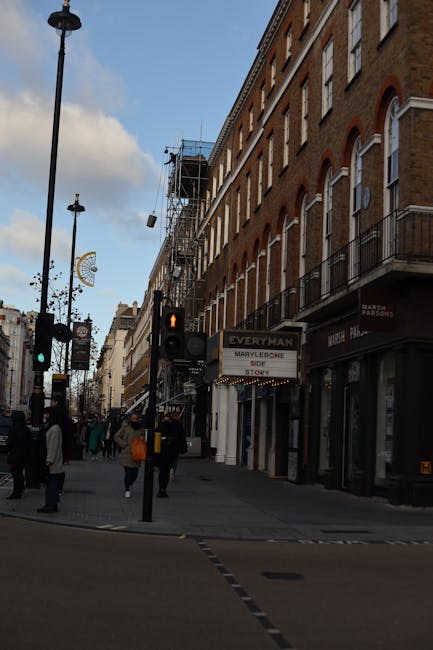
Portman Estate moving guide: Tips for Marylebone residents
Moving in Marylebone can feel deceptively simple on paper. The streets look elegant, the addresses are central, and everything seems close by. Then moving day arrives, and suddenly you are dealing with narrow roads, parking pressure, lift bookings, odd access routes, and the usual pile of boxes that somehow multiplies overnight. That is exactly why this Portman Estate moving guide: Tips for Marylebone residents exists. It is meant to help you plan calmly, avoid the common traps, and make the whole process feel manageable instead of chaotic.
Whether you are leaving a flat near the Portman Estate, moving into a larger townhouse, or helping a tenant settle into a new place, the details matter. A little local knowledge goes a long way. And to be fair, in this part of London, a little knowledge can save a lot of hassle.
This guide covers what matters most: how moves in the Portman Estate and wider Marylebone area tend to work, what benefits you get from planning well, who needs this advice, the best step-by-step approach, and the mistakes worth avoiding. You will also find a practical checklist, a comparison of moving options, and a few grounded examples from real-world situations.
Quick takeaway: in Marylebone, successful moves usually come down to three things: early planning, realistic access checks, and choosing the right kind of removal support for the property and the timing.
Table of Contents
- Why Portman Estate moving guide: Tips for Marylebone residents matters
- How Portman Estate moves work in practice
- Key benefits and practical advantages
- Who this is for and when it makes sense
- Step-by-step guidance
- Expert tips for better results
- Common mistakes to avoid
- Tools, resources and recommendations
- Law, compliance, standards, and best practice
- Options, methods, and comparison table
- Case study or real-world example
- Practical checklist
- Conclusion
- Frequently asked questions
Why Portman Estate moving guide: Tips for Marylebone residents Matters
The Portman Estate sits in one of the most distinctive parts of central London, and that comes with a few moving realities that people outside the area do not always expect. The location is convenient, yes, but convenience does not automatically make a move easy. Building access can be tight. Shared entrances can be busy. Parking may need careful timing. And if your street is popular with visitors, deliveries, or office traffic, your move can quickly get squeezed into a very small window.
That is why planning for a Marylebone move is different from planning for a suburban one. You are not just booking a van and hoping for the best. You are coordinating access, timing, packing, and building rules in a way that respects the area. If you have ever watched a removal lorry try to pause awkwardly on a narrow street while a black cab waits behind it, you will know the feeling. A little bit tense. A little bit London.
Residents also tend to move for a mix of reasons. Some are upsizing, some are downsizing, some are relocating for work, and others are changing from flat living to something with more space. For anyone in that position, local context helps. If you are buying or selling in the area, it can also help to read related local insight such as wise property buying in Marylebone or selling property quickly in Marylebone, because moving plans often start long before the boxes appear.
There is another reason this guide matters: poor moving decisions cost time, stress, and sometimes money. The wrong van size, not enough packing materials, or leaving access checks until the last minute can turn an ordinary move into a long day of delays. Nobody wants that. Especially when the kettle is already packed and the charger is missing, which somehow always happens.
How Portman Estate moving guide: Tips for Marylebone residents Works
A successful move in the Portman Estate generally follows a simple pattern, although the details can vary depending on your property type and timing. First, you assess the property and the route in and out. Then you decide what level of help you need. After that, you prepare the items, book the move, and make sure the practicalities line up on the day.
In Marylebone, the best moves are usually the ones where the plan matches the building. A second-floor flat with stairs and no direct parking access needs a different approach from a ground-floor apartment with a loading point nearby. A family house move is different again. Office moves, piano transport, and student relocations all need their own pacing too. That is why services like house removals in Marylebone, flat removals in Marylebone, and office removals in Marylebone exist as separate approaches rather than one-size-fits-all options.
Here is the practical version of how it tends to work:
- Review the property and access points. Check stairs, lifts, doorway widths, and where the vehicle can safely stop.
- Decide what needs moving. Make a clear list of furniture, fragile items, awkward pieces, and any storage items.
- Choose the right service level. Some residents just need a man and van in Marylebone; others need a full removal team.
- Pack in a way that suits the property. Well-labelled, sturdy boxes make a dramatic difference.
- Confirm timing and parking. Moving in central London is often a timing exercise as much as a transport exercise.
- Prepare for the handover. Keep essentials to one side so the first night is not a rummage through ten mixed boxes.
The process sounds straightforward, and mostly it is. The trick is that each step affects the next one. If you underestimate access, you may need a smaller vehicle or extra carrying time. If you underpack, you may end up with breakages or messy stacking. If you do not reserve the right service early enough, availability can become the issue. Simple on the surface. Not always simple on the day.
Key Benefits and Practical Advantages
For Marylebone residents, good moving preparation is not only about reducing stress. It also creates practical advantages that show up in time saved, fewer delays, and less damage risk. A well-planned move tends to feel quieter, even if the street outside is busy. You can usually tell when a move has been thought through: fewer frantic calls, fewer mystery boxes, fewer arguments about who packed the kettle.
Some of the main benefits include:
- Better control of timing: you are less likely to be caught out by limited parking or building access.
- Reduced physical strain: using the right removal support means less lifting for you and your neighbours.
- Lower breakage risk: good packing and secure handling matter, especially for glass, mirrors, and artwork.
- Less disruption to neighbours: a quieter, more organised move is simply more considerate in shared buildings.
- Smarter budgeting: planning ahead usually helps you choose the most suitable service rather than the most expensive one by default.
There is also a subtle benefit: confidence. Once you know what is happening and when, the move stops feeling like a vague threat hanging over the week. You start making decisions properly. That alone can be worth a lot.
If you are trying to compare options, it can help to review a broader services overview and see which approach fits your household, office, or time constraints. The right service is usually the one that fits the property and the schedule, not the one with the flashiest promise.
Who This Is For and When It Makes Sense
This guide is for anyone moving within the Portman Estate or the wider Marylebone area, but it is especially useful if you are dealing with one of the more complicated local situations. That might be a top-floor flat, a period property with awkward access, a same-week relocation, or a move involving valuables and furniture that should not be knocked about.
It also makes sense for different types of residents:
- Flat sharers and professionals who need a quick, efficient move with minimal disruption.
- Families moving heavier furniture, children's items, and a lot more boxes than expected.
- Students who may need affordable and flexible help, especially near term dates; see student removals in Marylebone.
- Homeowners and landlords who need a reliable turnaround between tenancies or property stages.
- Businesses and home offices that need careful handling of equipment, files, and desks.
It is also relevant if you are considering temporary storage while your next place becomes ready. Not every move is neatly back-to-back. Sometimes there is a gap, and that gap can be the difference between a calm move and an overstuffed living room. If that sounds familiar, storage in Marylebone may be worth looking at.
When does it make sense to bring in outside help rather than trying to do it all yourself? Usually when one or more of these applies: bulky furniture, limited parking, valuable items, a tight deadline, or a building that is less forgiving than you hoped. Truth be told, those conditions show up quite often in central London.
Step-by-Step Guidance
Below is a practical way to structure the move so it does not spiral into last-minute panic. You do not need perfection. You just need a decent order of operations.
1. Start with a property and access check
Look at the entrance, stairs, lifts, corridors, and street access. Measure large furniture if you are unsure. The sofa might fit in your current home, but that does not mean it will behave politely at the new one. Check the route from the vehicle to the front door as well. In older Marylebone buildings, the shortest path is not always the easiest one.
2. Decide what is going, what is staying, and what can be stored
Sort items into keep, move, donate, recycle, and store. This sounds obvious, but a lot of people skip it and then wonder why the van feels smaller than it should. If a chest of drawers has not been used for two years, ask yourself honestly whether it needs to follow you right now.
3. Choose the right moving method
For smaller loads, a man with a van in Marylebone or a removal van in Marylebone can be practical. For larger homes, family moves, or delicate furniture, a fuller service is often more efficient. If you need broader help, a dedicated removal service in Marylebone may be the safer call.
4. Gather packing materials early
Good boxes, tape, wrapping, and labels are not glamorous, but they are the backbone of a decent move. A flimsy box with books in it is a small disaster waiting to happen. Start with heavy-duty cartons, then separate fragile items, daily essentials, and awkward belongings. If you need support with supplies, packing and boxes in Marylebone is a useful place to begin.
5. Confirm the booking and the timing window
Make sure the service type, arrival time, load size, and address details are all clear. If you are moving out of a block with shared access, check whether there are building rules about lifts or loading periods. It sounds fussy. It is fussy. But it saves trouble.
6. Prepare a first-night essentials bag
This is the thing people forget until 9:30 p.m. and the toothbrush is in a box marked "misc." Put aside chargers, medication, a kettle, tea, toiletries, important documents, and a change of clothes. One bag. Maybe two if you are being generous to yourself.
7. Do a final sweep before departure
Check cupboards, windows, meter readings, keys, and anything stored in odd places like hallway shelves or under beds. Central London moves often feel complete before they actually are. A final walkthrough catches the loose ends.
Expert Tips for Better Results
There are a few small things that make a surprisingly big difference in Marylebone. Not dramatic things. Just useful, grown-up details that smooth the day along.
- Book access around the property, not just the clock. If your lift is small or your stairwell is narrow, allow extra time. Always.
- Use colour-coded labels. Kitchen, bedroom, office, fragile. It is old-fashioned, but it works. You will thank yourself later.
- Keep screws and fittings taped to the furniture they belong to. Especially with beds, shelves, and modular storage.
- Photograph valuables and electronics before packing. This helps with organisation and gives you a useful record.
- Pack heavy items in small boxes. It is far better to have six manageable boxes than two back-breaking ones.
- Choose a quiet moving window if you can. Midweek moves can sometimes be easier than busy weekends in central London.
- Tell neighbours or building management in advance. A quick heads-up can prevent irritation later.
Here is a small but important point: if you have anything delicate, tell the moving team early. A piano, for example, is not just another item. It has weight, balance, and sensitivity that need planning. For that kind of move, piano removals in Marylebone are a much better fit than improvisation.
And one more thing. If you are moving from a furnished flat, ask whether the landlord or agent expects anything specific at handover. These details are boring right up until they become urgent. Then they are suddenly very interesting.
Common Mistakes to Avoid
A lot of moving stress comes from avoidable mistakes. Nothing wild, just small oversights that snowball. The good news is that most of them are easy to prevent once you know what to look for.
- Leaving packing too late. A rushed pack almost always leads to poor labelling and damaged items.
- Choosing a vehicle that is too small. This can mean multiple trips, more costs, and more exhaustion.
- Ignoring access restrictions. If a building has lift booking rules or restricted loading times, plan around them from the start.
- Overfilling boxes. Heavy boxes break, and they are miserable to carry.
- Not protecting furniture properly. Corners, glass, and polished surfaces are the usual trouble spots.
- Forgetting insurance or liability questions. Ask what is covered before moving day, not after something has already gone wrong.
- Assuming all removal firms work the same way. They do not. Service scope, timing, and support levels can vary quite a bit.
There is also a quieter mistake: underestimating the emotional side of moving. Even a short move can feel strangely tiring, because you are making decisions all day. It helps to keep expectations realistic. Nobody is at their best when they are hungry, slightly sweaty, and staring at a wardrobe that will not fit round a corner. Happens to the best of us.
Tools, Resources and Recommendations
You do not need a mountain of equipment, but the right tools make life easier. If you are moving in or around Portman Estate, start with the basics and build from there.
| Tool or resource | Why it helps | Best used for |
|---|---|---|
| Strong moving boxes | Protects contents and stacks more safely | Books, kitchen items, general household goods |
| Packing tape and labels | Keeps boxes secure and easy to identify | Every room, especially mixed or fragile loads |
| Furniture blankets and wraps | Reduces scuffs and corner damage | Sofas, tables, wardrobes, mirrors |
| Storage option | Bridges the gap between homes or timelines | Delayed completions, renovations, downsizing |
| Removal quote | Helps match service level to the actual move | Any move where budget and timing matter |
For many residents, the most useful next step is to compare services and understand what each one includes. A flat move may need less muscle but more care with stairs. A house move may need more space and planning. An office move needs punctuality and continuity. If you are looking to make sense of the options, removals in Marylebone and removal companies in Marylebone are useful pages to review alongside pricing guidance.
It can also help to explore practical background information about the area itself, especially if you are settling in long term. The article on the realities of life in Marylebone is a good companion read if you want to understand the day-to-day rhythm of the neighbourhood.
Law, Compliance, Standards, or Best Practice
Moving house or office in London does not usually involve complex legal steps for the average resident, but there are still important standards and best practices to keep in mind. These are practical rather than dramatic, and they are worth respecting.
Parking and access: make sure your arrangement fits local rules and building policies. In central London, parking and loading are often the first thing that causes friction. Do not assume that a van can stop wherever it seems convenient. It often cannot.
Health and safety: lifting, carrying, and navigating stairs should be done carefully. Good removal teams work in a way that reduces injury risk and property damage. If you are comparing providers, it is sensible to review their health and safety policy and insurance and safety information before booking.
Property handover: tenants, landlords, and homeowners should keep records, keys, meter readings, and any agreed handover details. That is just sensible practice. Nothing fancy.
Data and valuables: if you are moving from an office or home office, keep sensitive documents and devices separate. Do not leave important paperwork mixed in with general household items. It is a small thing until it suddenly is not.
Environmental good practice: there is no need to throw everything away during a move. Reuse, donate, and recycle where possible. If sustainability matters to you, recycling and sustainability guidance can help you plan a cleaner, more thoughtful move.
For provider trust and terms, it is also sensible to look at practical pages such as about us, terms and conditions, and payment and security. These do not make the move itself faster, but they do give you a better sense of what to expect.
Options, Methods, and Comparison Table
There is no single best way to move in the Portman Estate. The right method depends on the size of the move, the access, the budget, and how much lifting you are comfortable doing yourself. Here is a straightforward comparison.
| Method | Best for | Strengths | Limitations |
|---|---|---|---|
| DIY move | Very small loads, short distances | Can be cheapest if you already have help and transport | Time-consuming, physically demanding, higher risk of damage |
| Man and van | Small to medium moves, flexible jobs | Good for central London access, often practical for flats | Not always ideal for larger furniture or full-house moves |
| Full removal service | Large homes, busy schedules, heavier loads | More support, better handling of complex moves | Usually costs more than a basic vehicle hire approach |
| Storage + removal | Delayed completion, staging, temporary gaps | Flexible and reassuring when dates do not line up | Requires extra planning and another handover step |
If you are unsure which method fits, a sensible starting point is a quote conversation rather than a guess. A small flat with a lot of books can be more awkward than a larger flat with fewer items. Weird, but true. Volume and access matter more than people sometimes expect. That is why pricing and quotes deserves attention before you commit.
Case Study or Real-World Example
Imagine a couple moving from a second-floor apartment near the Portman Estate into a nearby Marylebone flat with a slightly better layout but a trickier stairwell. On paper, the move is short. They think, reasonably enough, that it should be quick. Then they check the building rules, realise the lift is too small for the sofa, and discover the road outside has tighter loading access than they expected.
Instead of forcing everything into one rushed trip, they split the move into phases. They pack the non-essentials first, reserve a proper moving window, and keep a few high-use items aside for the first evening. They also use clear labels and protect the larger furniture carefully. The result? Less scrambling, fewer damaged corners, and a smoother handover.
That kind of move is not glamorous. It is not even particularly exciting. But it works. And in a place like Marylebone, working well is often the whole point.
Another example: a small office relocating a few streets away. The desks, monitors, and files need to arrive intact, but the bigger concern is downtime. In that case, a focused office removals service in Marylebone is usually more suitable than piecing together a DIY solution. The move may be short, but the timing matters a lot.
Practical Checklist
Use this checklist in the week leading up to moving day. It is simple on purpose.
- Confirm the moving date and access window
- Measure large furniture and awkward items
- Check lift, stair, and loading access
- Book the right removal support
- Gather boxes, tape, wrap, and labels
- Pack fragile items separately
- Set aside essentials for the first 24 hours
- Notify neighbours or building management if needed
- Keep keys, documents, and valuables with you
- Take meter readings and final photos if appropriate
- Confirm payment details and booking terms
- Prepare a plan for storage if the dates do not line up
If you only do three things from this list, make them access checks, label packing, and an essentials bag. The rest builds around those.
Conclusion
Moving in the Portman Estate or wider Marylebone area does not have to feel overwhelming. With the right preparation, a realistic plan, and the right kind of support, even a central London move can feel organised and fairly calm. Not effortless, let's be honest, but manageable. And manageable is a very good place to start.
The main thing is to respect the local conditions: access, timing, building rules, and the sheer reality of moving furniture through a busy part of the city. Once you plan for those properly, everything else gets easier. You pack better. You book smarter. You arrive with fewer surprises. That is the whole game, really.
If you are weighing up your options and want a practical next step, explore the service pages, compare what suits your property type, and speak with a team that understands central London moves. For a more tailored conversation, contact the Marylebone removals team and ask about the best fit for your move.
Get a free quote today and see how much you can save.
And when the boxes are finally stacked in the new place, the kettle is on, and the street outside has gone quiet for a moment, it does feel like a fresh start. That part never gets old.
Frequently Asked Questions
What is the best way to move in the Portman Estate?
The best approach is usually the one that matches your property size, access, and schedule. For smaller moves, a man and van service can be practical. For larger homes or heavier furniture, a fuller removal service is often smoother.
Do I need special planning for a Marylebone move?
Yes, usually. Marylebone properties often involve tighter access, busy streets, and building rules that are worth checking early. A little planning prevents delays and reduces stress on the day.
How far in advance should I book a removal service?
As early as you can, especially if you need a specific moving day or have access restrictions. Central London bookings can fill quickly, and good timing matters more than people expect.
What type of removal service suits a flat in the Portman Estate?
That depends on the amount of furniture and the building access. Many flat moves work well with a man and van or a small removal team, but awkward access or larger items may justify more support.
Can I move a piano or other heavy item in Marylebone?
Yes, but it should be handled with care and proper planning. Heavy or delicate items like pianos are best moved with a specialist service that understands the weight, size, and handling risks involved.
What should I pack first when moving house?
Start with items you do not need immediately: books, seasonal items, spare linens, decorations, and non-essential kitchenware. Keep daily essentials and valuables separate until the end.
Is storage useful if my move dates do not line up?
Very often, yes. If there is a gap between leaving one property and entering the next, storage can make the process much easier and less rushed.
How do I avoid damage during a move?
Use strong boxes, avoid overfilling them, wrap fragile items properly, and protect furniture corners. It also helps to choose the right vehicle and not rush the loading process.
Are man and van services enough for central London moves?
Sometimes. They are often a good fit for smaller flats, student moves, or short relocations. But if you have a larger property, lots of furniture, or awkward access, a more complete removal service may be better.
What should I check before booking a mover?
Check the service scope, access assumptions, pricing structure, insurance information, and terms. It is also wise to read about the company and review how they handle safety and payments.
How can I make moving day less stressful?
Keep essentials accessible, label boxes clearly, confirm timing early, and avoid leaving packing until the last minute. A calm moving day is usually the result of boring planning done properly. Boring, yes. Effective, absolutely.
Where can I find more local moving help for Marylebone?
You can explore service pages for removals in Marylebone, house removals, flat removals, and furniture removals, depending on what you need most.